

The popularity of electric vehicles (EVs) is rapidly increasing, and with this change, every homeowner is asking themselves, is my home EV ready?
Table of Contents
ToggleBuying a charger alone is not enough to get the benefits of home charging; you first need to assess your home’s parking space, electrical capacity, and security measures. Ensuring proper preparation will ensure a convenient, fast, and cost-effective charging experience. In this article, we will discuss in detail how to make your home EV full ready and what factors to consider when it comes to home charging.
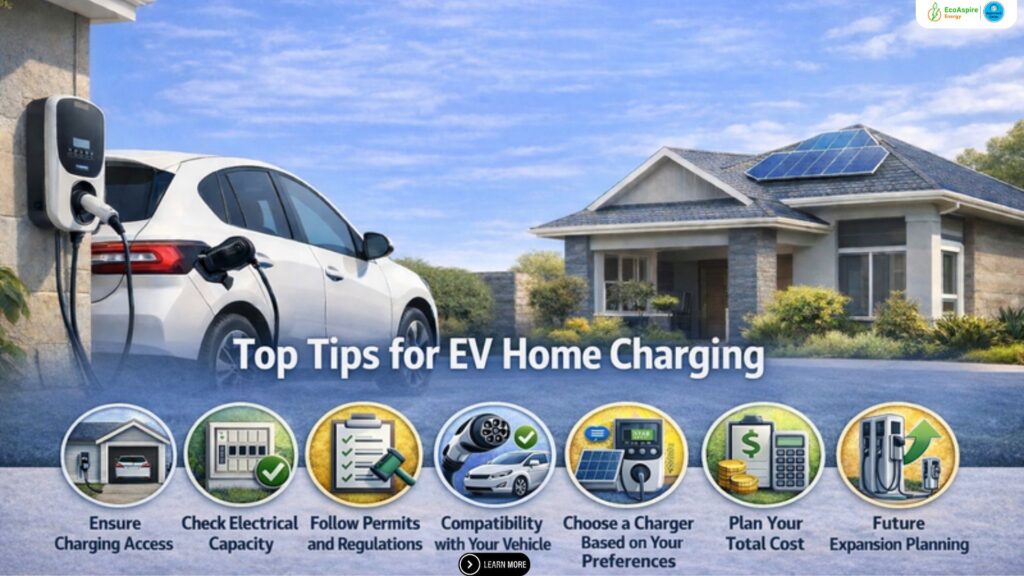
1. Ensure charging access
Before buying an EV, think about where you will install the charger in your home. Is there a garage, carport or parking space? Installing the right electric vehicle home charger is convenient and safe. Cable management according to EV Home Installation Australia can help avoid accidents and reduce reliance on public charging.
2. Check electrical capacity
Your home’s electrical system must be strong enough to run an EV charger. Have a licensed electrician check the capacity of the electrical panel to ensure the system won’t break under excessive load. Use smart load management or solar integration to reduce EV home electrical upgrades and home EV charging costs.
3. Follow permits and regulations
Check permits and regulations with your local council before installing an EV charger at home. This may include submitting an installation plan, paying fees, and having regular inspections. Following the regulations will ensure your charger is safe and legal.
4. Compatibility with your vehicle
Not all chargers work with all types of EVs. Most Australian EVs use Type 2 charging, so it’s important to check your vehicle’s requirements. Using the right cable, such as a Type 2 to Type 2 EV charging cable, will ensure smooth charging and protect your vehicle’s battery. This ensures EV charger compatibility.
5. Choose a charger based on your preferences
EV chargers come with a variety of smart features, such as Wi-Fi connectivity, charging schedules, remote monitoring or solar charging. Choose a basic model (such as Ocular LTE) or a full-featured model (Ocular LTE Plus) based on your needs. Additional features add convenience but can also increase costs. This ensures the right use of smart EV charger features and the right electric vehicle home charger.
6. Plan your total cost
Plan your EV charging costs in advance. This includes the cost of the charger, installation, power usage and EV home electrical upgrades. Some utility companies offer rebates or incentives to reduce home EV charging costs. Choosing a turnkey solution for an EV fully ready home covers hardware, software and installation all in one.
7. Future expansion planning
It is important to future-proof your EV setup. You may want to add additional chargers or fast charging protocols in the future. Installing adaptable infrastructure now can avoid costly upgrades later. This ensures that the EV charger is future-proofed and EV home installation is convenient charging according to Australia.
FAQs
- How can I make sure my home is EV ready?
Ans: You can make sure by checking your home’s charging space, electrical capacity, permits, and vehicle charger compatibility. With the features of the Smart EV Charger and future expansion in mind, your home will be fully EV-ready. - Do I need a permit to install an EV charger?
Ans: Yes, most Australian councils require a permit to install an EV charger at home. This includes submitting an installation plan, paying a fee, and an inspection. This ensures your charger is safe and legal. - How much does EV home charging cost?
Ans: EV home charging costs depend on the price of the charger, installation, power usage, and electrical system upgrades. Some utility companies offer rebates or incentives, which can help reduce the overall cost. - What type of EV charger is compatible with my vehicle?
Ans: The main Australian EVs use Type 2 chargers. Select the right cable (Type 2 to Type 2 EV Charging Cable) according to your vehicle’s charging port. This ensures EV charger compatibility and battery protection. - How can I future-proof my EV charger?
Ans: Future-proof your charger by planning for fast charging protocols and additional chargers. Installing an adaptable infrastructure makes it easy to upgrade to future EV technologies. - How EV Ready is Your Home? – Be Ready for the Future
Ans: To make your home fully EV-ready, it is essential to consider charging access, electrical capacity, permits, vehicle compatibility, charger features, costs, and future expansion. Proper planning makes home charging easy, safe, and cost-effective.
Your charger will be efficient and upgradable to future EV technologies. By ensuring proper preparation, you will have a convenient, reliable, and sustainable EV charging experience.