

Top 7 Mistakes when Buying A Solar Systems
If you are looking to buy a solar system, it is important to know some important things first, because many people waste a lot of money and time by making common mistakes. This article is designed to help you avoid some mistakes when buying a solar system and make the right decision when choosing a solar system. We will show you how to choose the right installer, how to install the panels correctly and how to reduce your electricity bill.
The most important thing in this process is to understand the difference between solar rebate vs feed-in tariff and when each is useful. When you know these things correctly, you will not only save money, but also be able to use safe and clean energy for a long time. This article will help you step by step, so that you can choose the right cost, benefits and installation of your solar system. As you read, you will understand which things are important and which are just a waste of time, so that you can make the right decision in the first place.
Table of Contents
ToggleMistake #1 When Buying A Solar Systems
Confusing Solar Rebate with Feed-in Tariff
Many people make mistakes when buying a solar system a solar system because they don’t understand the difference between solar rebate vs feed-in tariff. Some people think that the two are the same thing, so they can’t take the right advantage. It is important to compare the price of the panels to understand the exact cost. Using rebates provides immediate benefits and sending excess energy to the grid through feed-in tariff saves more. Avoiding such mistakes will help energy bill reduction tips and reduce the electricity cost of the house a lot.
Understanding each step and choosing the right installer means ensuring safe and affordable energy in the future. Understanding rebates and feed-in tariff correctly makes it easier to get benefits for the house in the long run.
A solar feed-in tariff (FiT) is distinct from upfront rebates. It is an ongoing credit measured in cents per kilowatt-hour (e.g., 10c/kWh) for the excess energy your system exports. Rather than a direct payment, this tariff is paid to you for sending surplus solar power back into the electricity grid, appearing as a dollar credit on your power bill to offset your costs.
Mistake #2 When Buying A Solar Systems
Not Getting Multiple Solar Quotes
Many people accept the first quote they get, but such mistakes when buying a solar systems create big costs later. It is important to get at least 3 quotes from the different local solar installers near you to make the right decision. It is easier to get benefits by comparing installers by looking at choosing the right solar installer. Getting multiple quotes isn’t just about finding the lowest number. It’s about spotting the red flags. If three reputable local installers are quoting you $6,000 for a quality 6.6kW solar system, and a fourth one is pushing a ‘limited-time’ deal for $12,000, you’ve just saved yourself six grand and a massive headache.
Getting multiple quotes helps you understand the true market value and makes it possible to choose a quality system. Following a solar investment guide saves both money and time. Understanding and comparing every decision means creating a safe and cost-effective solar system. So always compare several quotes from trusted, qualified installers. This will help you best gauge the quality, service and price of what’s being offered.
Mistake #3 When Buying A Solar Systems
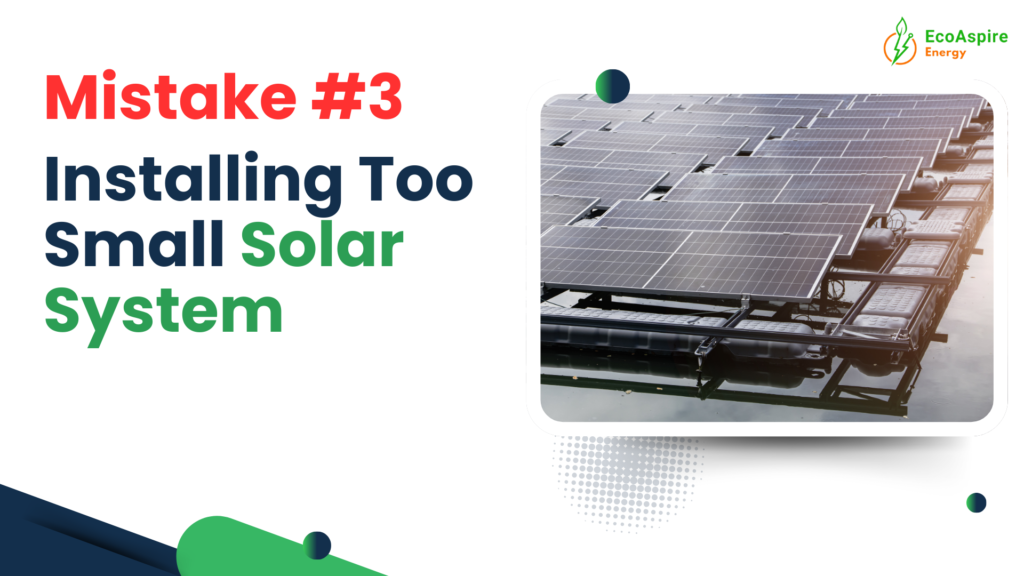
Installing Too Small Solar System
Getting a small system is a common solar system buying mistake that increases costs and inconvenience later. So, it is necessary to first check how many solar panels to install and determine the correct size by looking at the solar system size guide. Getting a larger system will not cause problems if you need batteries or additional power in the future. Installing the right size panels increases renewable energy savings and reduces electricity bills. Planning each step means ensuring long-term benefits and safe energy use.
Choose the right installer first
Getting multiple quotes helps you understand the true market price and makes it easier to choose a quality system.
As a SAA accredited solar installer & solar designer, Eco Aspire Energy is trusted by thousands of Australian homeowners for our transparent process, quality products, and expert service.Understanding rebates and feed-in tariffs is essential
Understanding rebates and feed-in tariffs properly reduces your electricity bill and increases your future benefits.Choose the right size of your system
Getting a larger system helps you save on batteries or extra power in the future and ensures energy savings.
Mistake #4 When Buying A Solar Systems
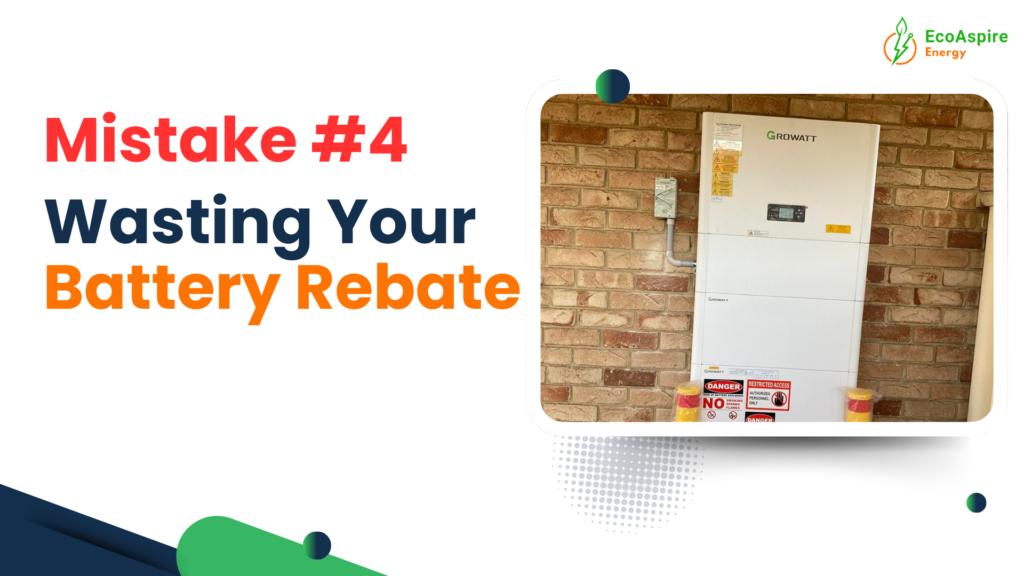
Wasting Your Battery Rebate
Making a mistake while buying a battery wastes the benefits once.
If the battery is not chosen correctly, it will cost a lot of money later and there will be no sufficient power at home. Many people end up in trouble after buying cheap batteries; for this reason, it is important to understand Mistakes when buying a solar system. Following solar battery rebate tips will reduce the cost and provide more benefits, and if you buy the right battery, you can fully utilize the benefits of solar energy.
Mistake #5 When Buying A Solar Systems

Paying High Prices for Low Quality Solar Products
One of the most expensive mistakes when buying a solar systems is falling for the “cheap panel” trap. While the upfront price might look attractive, cheap but low-quality panels often cost extra in the long run through repairs and poor performance. You should choose good quality CEC approved solar products and compare cheap vs quality solar panels, inverters, battery storage. It is also convenient to make the right decision by looking at solar products cost comparison. In this way, electricity bills can be reduced and long-term benefits can be obtained.
Transparency in the quoting process is the final safeguard against overpaying. High-pressure “sign-on-the-spot” deals are designed to prevent homeowners or business owners from researching the actual wholesale value of the hardware being offered. A reputable installer will provide a detailed site assessment—not just a satellite image—to identify shading issues or switchboard upgrades that could affect performance. If a quote is significantly higher than the market average of A$500– A$1,000 per kW for a premium solar system (solar panels and inverter), ensure the extra cost is justified by advanced technology like micro-inverters or high-capacity battery storage rather than just a high sales commission.
Mistake #6 When Buying A Solar Systems

Ignoring Consumer Rights and Warranties
Problems arise if you do not know about warranties and consumer rights. Many people do not know that no system works for a long time without a proper warranty, such mistakes when buying a solar system can be easily avoided. It is necessary to choose solar warranty Australia and a trusted installer. Ensuring choosing the right solar installer reduces the cost and makes it easier to use the system according to the solar investment guide.
This may come as a shock, but you shouldn’t believe everything a solar salesperson says! Almost every week, I hear from homeowners who were told their system must be serviced every two years to maintain the warranty. This is total bollocks. Speaking as a chartered electrical engineer, a good-quality solar system only needs professional servicing once every five years. If a “slimy” salesman tries to scare you into a mandatory maintenance fee, show them the door.
Another common trick is hiding behind a “25-year performance warranty.” They use this to make it seem like you’re covered for everything, but in reality, manufacturers often wriggle out of claims by arguing that a defect falls under the Product Warranty, which is usually only 10 years. You need to look past the sales pitch and check for the four separate pillars of protection. A 10-year inverter warranty, a minimum 10-to-15-year panel product warranty (don’t confuse this with the less valuable 25-year performance one!), and a 5-year workmanship warranty for the cabling and racking.
Most importantly, ensure the warranty is backed by an Australian entity—otherwise, you might find yourself stuck with a “bargain” deal that requires you to ship faulty panels back to China at your own expense just to get them tested.
Mistake #7 When Buying A Solar Systems
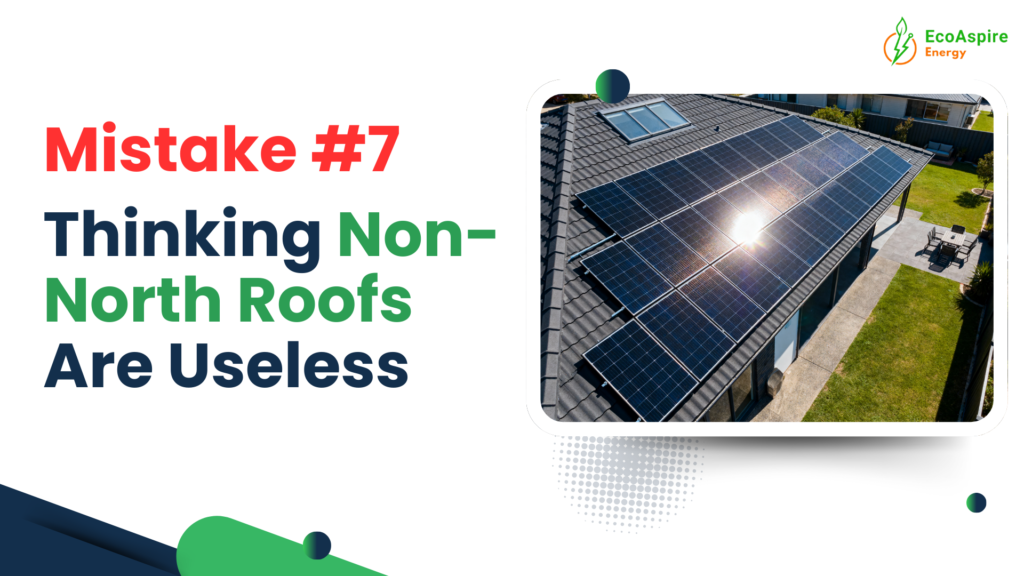
Thinking Non-North Roofs Are Useless
Many homeowners make the mistake of thinking their roof isn’t “perfect” and walk away from solar altogether, or they suffer through inefficient layouts—both of which are avoidable mistakes when buying a solar systems. In reality, installing east-west facing solar panels can be a strategic move; west-facing panels, for example, produce more power in the late afternoon when household demand is often at its peak.
By following professional solar installation tips for homeowners, you can ensure you aren’t leaving money on the table. Choosing the right orientation based on your specific energy habits—rather than just following a “north-only” rule—is the best way to avoid common mistakes when buying a solar systems and ensure a steady flow of clean electricity for your home.
Conclusion
If you are careful when buying a solar system, you can save a lot of money and time. Today we saw how buying a small system, using cheap batteries, or not choosing the right installer can create mistakes when buying a solar system and increase problems later. We learned that understanding the difference between rebate and feed-in tariff can increase benefits and achieve much greater renewable energy savings.
Choosing the right size panels, installing them in the right place, and using quality batteries can help you enjoy solar energy benefits for a long time in your home. Always get multiple quotes, maximize rebates, and choose a trusted installer so that every step is done right. No matter what you do, be careful and avoid making mistakes. This will not only reduce your electricity bill, but you will also be able to use safe, clean, and affordable energy. Plan, decide, and start enjoying the benefits of solar in your home today.
FAQs
Q: What mistakes are commonly made when buying a solar system?
A: People often end up spending more when they buy cheap panels, or they have trouble installing batteries later if they buy a small system. It is important to understand these mistakes when buying a solar systems. Choosing the right installer and understanding solar rebate vs feed-in tariff can help you avoid these mistakes.
Q: How do I choose the right installer?
A: First of all, get quotes from a few installers and check their reviews. Choosing a trusted installer will save you both money and time. To avoid mistakes when buying a solar system, check the list of best solar installers in Australia.
Q: How many panels should you install?
A: Install as many panels as possible according to the space of your room or roof. A small system will not be enough for the battery or car later. In this case, it is safe to avoid mistakes when buying a solar system. See the solar system size guide to plan properly.
Q: What should I keep in mind when buying a battery?
A: Don’t buy a battery just because it looks cheap, because it may not work properly later. Use the solar battery rebate tips that are available only once and buy quality batteries. This makes it easy to avoid mistakes when buying a solar system.
Q: How does the feed-in tariff work?
A: The electricity company pays you when you send excess electricity to the grid. It is important to understand this so that you do not make mistakes when buying a solar system. To calculate correctly, check out solar rebate vs feed-in tariff and ensure your benefits.
Q: Is inverter and warranty important?
A: If you have the right inverter and warranty, your system will last longer. Making any mistakes when buying a solar system will increase the cost later. Ensure good quality panels and solar warranty Australia.
Q: Will solar work even if the roof is not facing north?
A: Yes, east or west facing panels also work well and only give 15% less electricity. Due to this, mistakes when buying a solar system are less. If you understand how to install east west facing solar panels, the benefits increase even more.
Q: What are the benefits of taking multiple quotes?
A: By taking multiple quotes, you can verify the market price and quality. This reduces the chances of any mistakes when buying a solar system. It is also important to see solar panel cost comparison to compare different offers.
Q: Is it better to buy a small system?
A: A small system is not enough for a battery or a car. So making mistakes when buying a solar system with a small system is risky. Before buying a large system, check out solar installation tips for homeowners.
Q: Is it necessary to check regularly after buying solar?
A: Clean the panels every year and get them serviced every five years. By avoiding mistakes when buying a solar system, you will get long-term benefits. If you follow the rules, renewable energy savings are ensured.
[Disclaimer: The information provided in this article is for educational and informational purposes only. While efforts have been made to ensure accuracy, the author makes no guarantees regarding completeness or correctness. Please consult a qualified battery and solar installer to ensure that the information is current, accurate, and compliant with applicable regulations in your jurisdiction.]